
Foods That Reduce Anxiety Symptoms
Explore insights into how specific foods may help calm your mind and support your emotional wellbeing through nutritional guidance.
Why Food Matters for Mental Wellbeing
Research increasingly shows the profound connection between what we eat and how we feel. The foods we choose directly influence brain chemistry and emotional resilience.
Your brain relies on specific nutrients to produce neurotransmitters — the chemical messengers that regulate mood and stress responses. Omega-3 fatty acids, B vitamins, magnesium, and amino acids all play crucial roles in maintaining mental equilibrium.
When you consistently include calming foods in your diet, you're supporting your body's natural ability to manage stress and anxiety. This isn't about quick fixes — it's about building sustainable nutritional habits that nourish both body and mind.
Many people find that small dietary adjustments lead to noticeable improvements in how they feel day-to-day. Reduced jitteriness, better focus, improved sleep quality, and a more stable mood are common observations when people prioritise anxiety-reducing foods.
Learn More About Key FoodsTop 6 Anxiety-Reducing Foods
These foods have shown promise in supporting mental calmness through their nutrient density and bioactive compounds.
Leafy Greens
Spinach, kale, and other dark leafy vegetables are rich in magnesium and folate, both of which support neurotransmitter balance and may help reduce anxiety symptoms naturally.
Fatty Fish
Salmon, mackerel, and sardines contain omega-3 fatty acids that support brain health and inflammation regulation, contributing to a more stable emotional state.
Berries
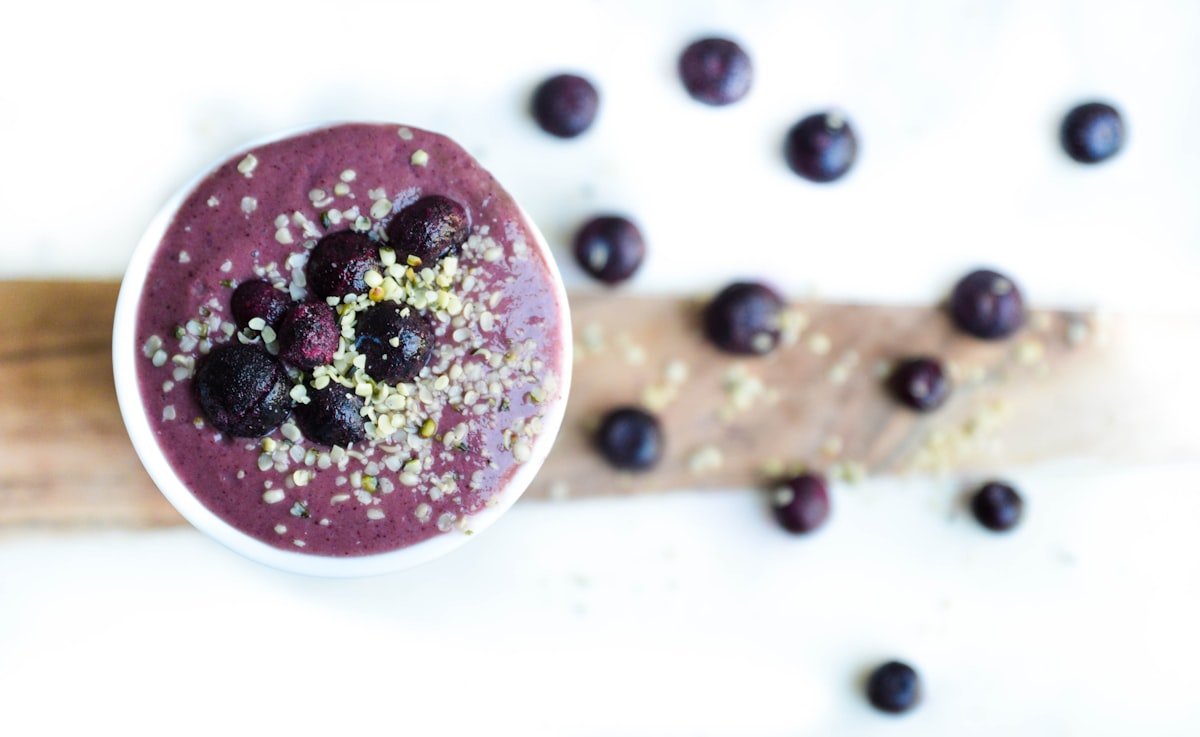
Blueberries, strawberries, and blackberries deliver antioxidants that protect brain cells and may help combat the effects of stress on your nervous system.
Nuts and Seeds
Almonds, walnuts, pumpkin seeds, and sunflower seeds provide magnesium, zinc, and healthy fats that support calm and focused thinking throughout your day.
Whole Grains
Oats, barley, and brown rice release glucose slowly, stabilising blood sugar and supporting sustained energy and mental clarity without the anxiety spikes of refined carbs.
Herbal Teas
Chamomile, passionflower, and lavender teas have been traditionally used and studied for their calming properties, offering a soothing ritual alongside nutritional support.
5-Step Guide to Incorporating Calming Foods
Audit Your Current Diet
Start by noticing what you currently eat and how it affects your mood and anxiety levels. Keep a simple food journal for one week to identify patterns. You'll quickly see which foods leave you feeling calm and grounded, and which may trigger jitteriness or stress.
Start Small with One Food
Don't try to overhaul everything at once. Choose one calming food — perhaps wild salmon or blueberries — and add it to your meals three times this week. Small, consistent changes build sustainable habits and give your body time to adjust.
Build a Balanced Plate
Create meals that include a lean protein, healthy fat, whole grain, and vegetables. This combination stabilises blood sugar and ensures your brain receives steady nutrient support. A typical balanced plate might include grilled fish, sweet potato, olive oil, and steamed spinach.
Create a Calming Beverage Routine
Replace some of your caffeine intake with herbal teas. A warm cup of chamomile before bed or passionflower tea in the afternoon can become a grounding ritual that signals your nervous system to relax while delivering beneficial compounds.
Track Your Progress and Adjust
After four weeks, review your food journal and notice any shifts in your anxiety levels, sleep quality, or overall mood. Did certain foods seem to help most? Build on what works for you. Everyone's response differs slightly, so personalising your approach is key to long-term success.
What Our Community Says
4.9/5
I've always struggled with afternoon anxiety, and I was sceptical about food making a real difference. After reading about omega-3s and trying to include more fish in my diet, I genuinely noticed a shift within three weeks. I feel calmer, less reactive to stress, and I'm sleeping better. Your articles helped me understand the "why" behind it all, not just the "what". Brilliant resource.
Sarah Mitchell
Manchester
5.0/5
As someone who's dealt with anxiety for years, I appreciate how thorough and honest your content is. You explain the science without making grand promises, and that's refreshing. I've incorporated leafy greens, nuts, and herbal teas based on your recommendations, and my anxiety is noticeably more manageable. My partner has noticed too. This is exactly the practical guidance I needed.
James Cooper
Bristol
4.8/5
I've read so much conflicting information about nutrition and mental health online, but your articles break things down in an accessible way without being preachy. The five-step guide was exactly what I needed to avoid feeling overwhelmed by dietary changes. Implementing these foods slowly has genuinely reduced my worry levels. Thank you for such thoughtful, evidence-based content.
Eleanor Davies
London
Common Questions About Anxiety and Nutrition
How long until I notice changes in my anxiety?
Most people begin noticing subtle shifts within two to three weeks of consistently incorporating calming foods. Some experience changes within days, whilst others take four to six weeks. Your timeline depends on your current diet, stress levels, and how your individual body responds to nutrient changes. Patience and consistency matter more than speed.
Can food alone cure anxiety?
Nutrition is a powerful tool for supporting emotional wellbeing, but it works best as part of a comprehensive approach. Good sleep, regular movement, stress management techniques, and social connection all matter too. Think of calming foods as one valuable piece of the puzzle, not a standalone solution. Many people find a multi-faceted approach most effective.
Are supplements necessary if I eat well?
Whole foods should be your foundation. A balanced diet of the anxiety-reducing foods discussed here provides nutrients in their most bioavailable form. Most people don't need supplements if they're eating consistently well. However, some individuals have specific gaps — this is where individualised guidance becomes valuable. Always consult your GP before considering any dietary changes.
What about caffeine and alcohol?
Both caffeine and alcohol can amplify anxiety symptoms in sensitive individuals. Reducing caffeine intake gradually and limiting alcohol can help many people feel noticeably calmer. This doesn't mean eliminating either entirely — some people find one cup of tea fine, whilst others need to avoid it. Pay attention to your body's response and adjust accordingly.
Can children benefit from these foods?
Absolutely. Children's developing brains benefit tremendously from nutrient-dense foods. Introducing a variety of berries, fish, nuts, whole grains, and vegetables during childhood supports cognitive development and emotional resilience. Making these foods normal family meals means children develop healthy habits naturally without feeling restricted.
What if I'm vegetarian or vegan?
You can absolutely support anxiety reduction without fish or animal products. Focus on plant-based omega-3 sources like flaxseeds, chia seeds, and walnuts; protein from legumes, tofu, and nuts; and plenty of colourful vegetables. The principles remain the same — nutrient density and balanced meals support your brain chemistry regardless of your dietary choices.
Stay Informed About Anxiety-Supporting Nutrition
Get our latest articles and evidence-based insights delivered to your inbox. Join a growing community discovering how food supports mental wellbeing.
We respect your privacy. Unsubscribe at any time.
About Nutritionenergyshell
We're an editorial platform dedicated to exploring the intersection of nutrition and mental wellbeing. Our mission is to provide evidence-based, accessible information that empowers readers to make informed choices about their diet and emotional health.
Research-Based
Our content draws from peer-reviewed research and scientific evidence, ensuring accuracy and reliability in every article.
Practical Guidance
We translate complex nutrition science into actionable steps you can implement immediately in your daily life.
Honest Approach
We're transparent about what nutrition can and cannot do, avoiding overstatement and setting realistic expectations.
Ready to explore more? Browse our comprehensive collection of articles about anxiety-reducing foods, nutrition science, and mental health.
Browse Our Articles